LSD Gummies vs Tablets in Pharmaceutical and Clinical Research Contexts
LSD Gummies dosage forms continue to attract scientific attention in controlled research environments. Among studied formats, gummies and tablets present distinct formulation characteristics relevant to analytical chemistry, pharmacokinetics, and stability profiling.
Researchers evaluating psychedelic compounds such as Lysergic acid diethylamide focus on consistency, purity profiling, and controlled delivery systems. Differences in solid oral dosage design influence dissolution behavior and downstream absorption patterns in experimental models.
Formulation Differences in LSD Gummies vs Tablets
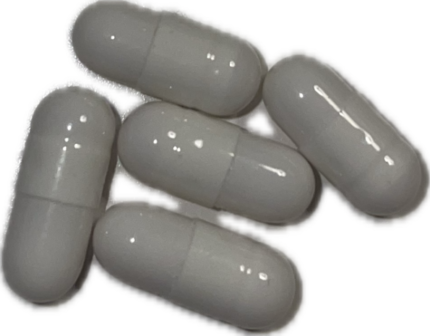
Tablets rely on compressed powder systems with controlled excipients. These formulations allow precise weight uniformity and predictable disintegration behavior under laboratory conditions.
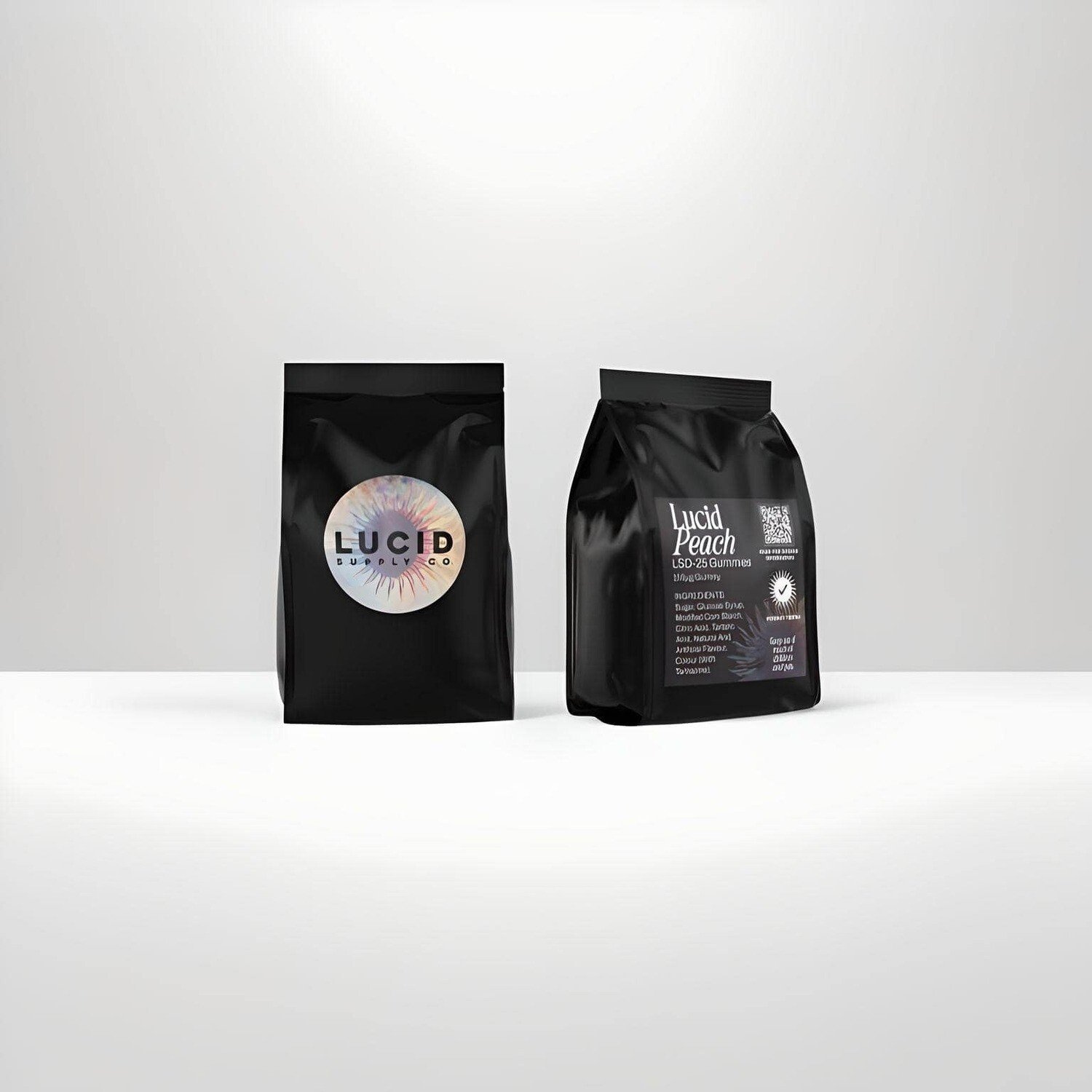
Gummy formulations use hydrocolloid matrices such as gelatin or pectin systems. These systems introduce a hydrated delivery medium, altering stability profiles and diffusion behavior during dissolution testing.
Researchers studying lsd gummies vs tablets often evaluate:
- Excipient interactions
- Thermal stability under storage conditions
- Matrix dissolution rates
- Chemical preservation across time
Each variable influences analytical reproducibility in controlled studies.
Pharmacokinetic Considerations in Controlled Studies
Absorption behavior remains a key focus in psychedelic research models. Tablets typically disintegrate through gastrointestinal fluid exposure, leading to more standardized release timing in controlled conditions.
Gummy matrices introduce additional diffusion steps due to gelatin or polymer hydration. This affects onset variability in experimental pharmacokinetic modeling.
Researchers evaluating how long do lsd gummies last often study:
- Gastrointestinal transit timing
- Matrix dissolution rate
- Plasma concentration curves
- Inter-subject variability in absorption
These parameters support formulation selection in clinical trial design.
Analytical Stability and Storage Performance
Stability testing plays a central role in psychedelic compound research. Tablets often show higher structural stability under controlled humidity due to reduced water activity.
Gummies require stricter environmental control. Moisture migration and polymer breakdown can affect long-term compound integrity in laboratory storage systems.
Key analytical focus areas include:
- Degradation profiling under heat exposure
- Moisture sensitivity analysis
- Packaging barrier performance
- Long-term chemical stability trends
These data points inform formulation selection for controlled research environments.
Dosage Form Handling
Handling procedures differ significantly between solid compressed tablets and soft polymer-based gummies.
Tablets allow easier subdivision for analytical calibration studies. They also support uniform grinding protocols for assay preparation.
Gummies require careful homogenization prior to testing due to their matrix complexity. This introduces additional preparation steps during sample analysis.
Researchers evaluating how to take lsd gummies in controlled environments focus on:
- Sample preparation consistency
- Matrix extraction efficiency
- Analytical reproducibility
- Cross-lab standardization
Comparison with Other Psychedelic Materials
Psychedelic research often includes multiple compound classes and delivery systems. Comparative studies sometimes include materials such as botanical alkaloids and synthetic analogs.
Related research materials include formulations studied in controlled laboratory contexts such as kratom powder green, kratom powder red, and standardized capsule systems like 300mg mushroom capsules.
These comparisons help establish broader understanding of formulation behavior across different compound classes.
Quality Control and Analytical Validation Standards
Quality assurance remains central in psychedelic pharmaceutical research. Analytical validation ensures reproducibility across laboratories and study phases.
Key validation parameters include:
- Identity verification
- Purity profiling
- Quantitative assay accuracy
- Stability-indicating methods
- Cross-batch consistency
Regulatory frameworks often reference standards from organizations such as United States Pharmacopeia and analytical guidance supported by National Center for Biotechnology Information.
These systems ensure scientific integrity across controlled research environments.
Regulatory and Scientific Research Context
Psychedelic research operates under strict regulatory oversight depending on jurisdiction. Controlled substance frameworks govern handling, storage, and analytical evaluation.
Scientific publications and peer-reviewed studies often appear through institutions affiliated with the American Chemical Society, supporting transparency and reproducibility in experimental findings.
Researchers continue to evaluate dosage forms like gummies and tablets to better understand formulation-dependent pharmacokinetic variation.