


Golden Teacher Mushrooms
Golden Teacher mushrooms are among the best-known varieties of psilocybin-containing mushrooms. Interest in these mushrooms has grown over recent years because researchers continue to study psilocybin for several medical and psychological conditions.
This guide explains what Golden Teacher mushrooms are, their history, commonly reported effects, current scientific research, potential risks, legal considerations, and frequently asked questions. The information presented here serves educational purposes and should not replace professional medical or legal advice.
What Are Golden Teacher Mushrooms?
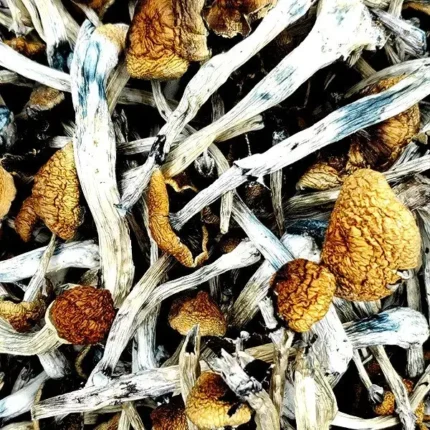
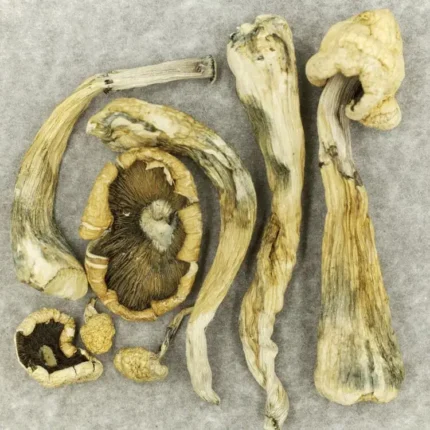
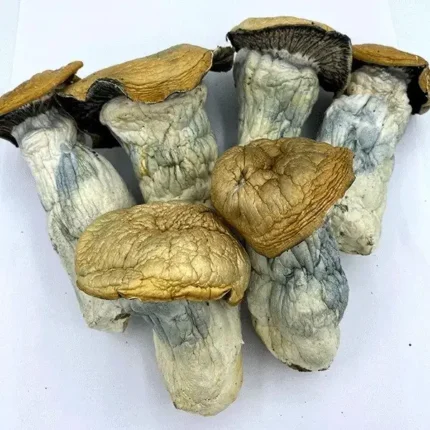
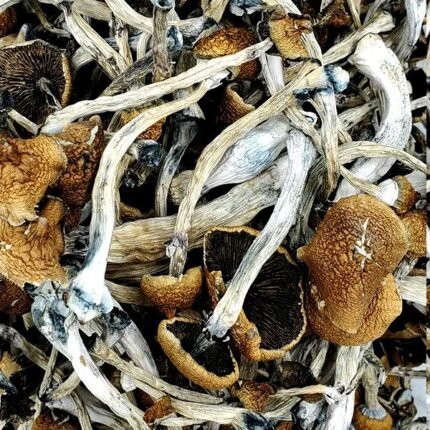
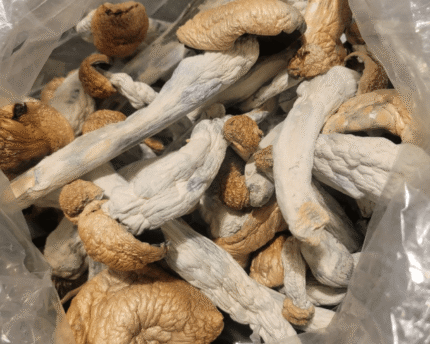
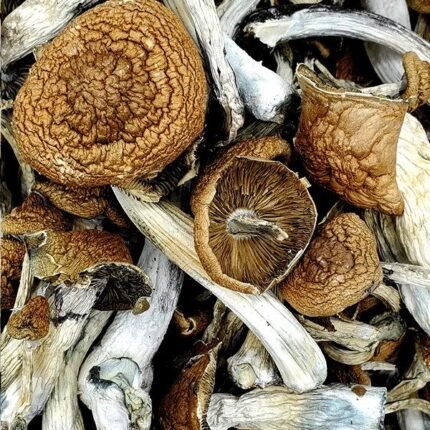
Golden Teacher mushrooms refer to a popular variety of Psilocybe cubensis, a species containing the naturally occurring psychedelic compounds psilocybin and psilocin. They are recognized by their golden-colored caps, pale stems, and distinctive appearance.
Although the exact origin of this variety remains uncertain, Golden Teacher mushrooms have become one of the most recognizable names discussed in educational resources and scientific conversations surrounding psilocybin-containing fungi.
Psilocybin converts into psilocin after ingestion. Researchers believe psilocin interacts primarily with serotonin receptors in the brain, especially the 5-HT2A receptor, which plays an important role in perception, mood, and cognition.
Scientists continue investigating these biological mechanisms through carefully controlled clinical studies.
Golden Teacher Mushrooms Effects
People have reported a wide range of subjective experiences after consuming psilocybin-containing mushrooms. Individual responses differ based on numerous factors, including dose, mindset, physical health, previous experience, and environment.
Reported psychological effects include:
• Changes in visual perception
• Altered sense of time
• Enhanced emotional awareness
• Increased introspection
• Heightened appreciation of music and art
• Changes in thought patterns
Reported physical effects include:
• Dilated pupils
• Mild nausea
• Increased heart rate
• Changes in body temperature
• Dizziness
• Fatigue during recovery
Scientific researchers emphasize that experiences differ greatly between individuals. Some participants describe positive emotional experiences during supervised clinical studies, while others report confusion, anxiety, or distress.
Because responses vary significantly, researchers conduct clinical trials under carefully controlled conditions with medical screening and professional supervision.
History of Golden Teacher Mushrooms
Psilocybin-containing mushrooms have a long cultural history. Archaeological evidence suggests certain Indigenous communities used these mushrooms within ceremonial and spiritual traditions for centuries before modern scientific research began.
Modern scientific interest increased during the 1950s after researchers documented traditional mushroom ceremonies in Mexico. Interest expanded during the following decades before legal restrictions significantly slowed research.
Since the early 2000s, universities and medical institutions have renewed research into psilocybin. Modern studies follow strict ethical guidelines, medical oversight, and regulatory approval.
Golden Teacher mushrooms have become widely recognized in educational discussions because they represent one of the better-known cultivated varieties of Psilocybe cubensis.
Current Scientific Research on Psilocybin
Scientific interest in psilocybin continues to expand across several medical fields.
Researchers have investigated psilocybin for conditions including treatment-resistant depression, anxiety associated with serious illness, post-traumatic stress disorder, substance use disorders, and obsessive-compulsive disorder.
Early clinical studies have produced encouraging findings in some areas. Even so, researchers consistently state that larger studies remain necessary before broad medical conclusions become appropriate.
Clinical investigations typically include:
• Careful participant screening
• Medical evaluations
• Psychological assessments
• Professional supervision
• Follow-up monitoring
Research institutions continue evaluating both potential therapeutic benefits and possible risks associated with psilocybin administration.
Useful educational resources include:
National Institute on Drug Abuse
https://nida.nih.gov
Johns Hopkins Center for Psychedelic and Consciousness Research
https://hopkinspsychedelic.org
World Health Organization
https://www.who.int
Certain individuals face higher risks, particularly those with personal or family histories of psychotic disorders such as schizophrenia.
Drug interactions also remain an important consideration. Certain medications affecting serotonin pathways require careful medical evaluation before participation in approved clinical research.
Mental health professionals recommend seeking immediate medical assistance if severe psychological symptoms or dangerous physical reactions occur.
Researchers continue emphasizing the importance of controlled clinical environments whenever psilocybin is studied.
Legal Status Around the World
The legal status of Golden Teacher mushrooms differs widely between countries and regions.
Many countries classify psilocybin as a controlled substance, making possession, cultivation, or distribution illegal outside approved research or limited medical frameworks.
Several jurisdictions have introduced carefully regulated research programs or limited medical access under professional supervision.
Because laws change over time, individuals should review current regulations through official government sources before making legal assumptions.
Educational information should never replace professional legal advice.
Frequently Asked Questions
What makes Golden Teacher mushrooms different from other Psilocybe cubensis varieties?
Golden Teacher mushrooms are primarily recognized by their appearance and popularity. Scientific literature has not established unique pharmacological properties separating them from other Psilocybe cubensis varieties.
Are Golden Teacher mushrooms used in medical treatment?
Psilocybin has received research attention in clinical trials. Outside approved research studies and authorized medical programs in certain jurisdictions, Golden Teacher mushrooms are generally not recognized as standard medical treatment.
Why are researchers interested in psilocybin?
Researchers continue studying how psilocybin influences brain networks involved in mood, emotional processing, and cognition. Early findings have encouraged additional clinical investigation.
Are Golden Teacher mushrooms safe?
No substance is completely without risk. Safety depends on numerous medical, psychological, and environmental factors. Scientific research involving psilocybin follows strict screening and professional supervision.
Where can I learn more?
Reliable educational information is available through major medical institutions, peer-reviewed scientific journals, government health agencies, and university research centers specializing in neuroscience and psychiatry.
Final Thoughts
Golden Teacher mushrooms continue attracting attention from researchers, healthcare professionals, and the public because of ongoing studies involving psilocybin. While early clinical findings have generated scientific interest, research remains active, and many important questions continue under investigation.
Understanding what Golden Teacher mushrooms are, their reported effects, their historical background, potential risks, and their legal status helps readers make informed decisions based on evidence rather than misinformation. Consulting reliable scientific sources remains the best approach for staying informed as new research emerges.