
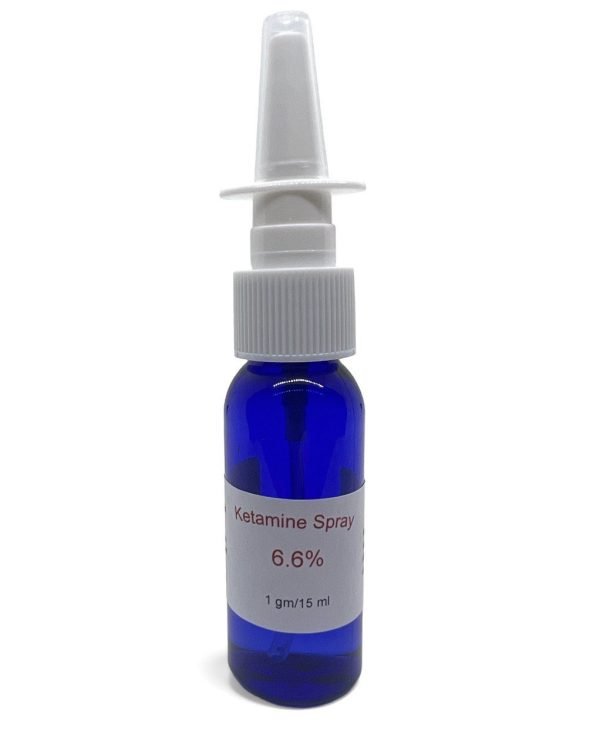


Ketamine Nasal Spray; What Is Ketamine Nasal Spray?
Ketamine nasal spray refers to a medication administered through the nose. An esketamine nasal spray formulation has received approval in several countries for specific adults with treatment-resistant depression when prescribed alongside an oral antidepressant and administered within certified healthcare settings.
Ketamine originally entered medical practice as an anesthetic. Researchers later observed rapid antidepressant effects in some patients, leading to extensive clinical research and regulatory review.
Medical professionals administer approved ketamine nasal spray only under strict supervision. Patients remain under observation after treatment because temporary side effects require monitoring.
How Ketamine Nasal Spray Works
Researchers believe ketamine works differently from traditional antidepressants.
Instead of primarily targeting serotonin pathways, ketamine influences glutamate signaling within the brain. Scientists continue studying how these changes affect communication between nerve cells and how they relate to mood improvement.
Although research continues, experts agree that ketamine treatment belongs within a structured medical program involving psychiatric evaluation, ongoing assessment, and follow-up care.
Approved Medical Uses
Current approvals vary by country.
In the United States, esketamine nasal spray has received approval for adults with treatment-resistant depression under a Risk Evaluation and Mitigation Strategy program. Treatment occurs only in certified healthcare facilities where trained professionals monitor patients.
Researchers continue evaluating ketamine for several conditions including:
• Treatment-resistant depression
• Major depressive disorder with acute suicidal thoughts
• Chronic pain research
• Post-traumatic stress disorder
• Substance use disorders
Several of these uses remain under investigation and have not become standard treatments.
Current Scientific Research
Clinical trials continue exploring both the benefits and limitations of ketamine treatment.
Researchers examine:
• Duration of symptom improvement
• Long-term safety
• Appropriate patient selection
• Optimal treatment schedules
• Combination with psychotherapy
Large medical centers continue publishing peer-reviewed findings to improve understanding of ketamine therapy.
Safety and Possible Side Effects
Ketamine treatment requires careful medical screening.
Common side effects include:
• Dizziness
• Sleepiness
• Temporary increases in blood pressure
• Nausea
• Dissociation
• Reduced attention shortly after administration
Patients receiving approved treatment remain under observation until healthcare professionals determine they are ready to leave safely.
Individuals with certain cardiovascular conditions, uncontrolled hypertension, or specific psychiatric disorders require additional evaluation before treatment.
Legal Status
Ketamine regulation differs across countries.
Many jurisdictions classify ketamine as a controlled medicine. Access generally requires evaluation by qualified healthcare professionals and compliance with national regulations.
Individuals should consult official government health authorities regarding current laws within their location.
Frequently Asked Questions
Is ketamine nasal spray the same as intravenous ketamine?
No. They differ in formulation, administration, regulation, and approved indications.
Who qualifies for treatment?
Eligibility depends on medical evaluation, diagnosis, previous treatments, and local regulatory requirements.
Is medical supervision important?
Yes. Approved treatment occurs under direct supervision because patients require monitoring after each dose.
Where is research heading?
Scientists continue studying long-term outcomes, patient selection, dosing schedules, and additional psychiatric conditions.
Final Thoughts
Ketamine nasal spray represents an important area of modern psychiatric research. Approved medical use occurs within carefully regulated healthcare environments where trained professionals evaluate, administer, and monitor treatment.
As scientific knowledge continues expanding, patients benefit most from relying on qualified healthcare providers and evidence-based information rather than unverified claims.




Reviews
There are no reviews yet.