LSD 25 Liquid Solution in Controlled Laboratory and Pharmaceutical Research
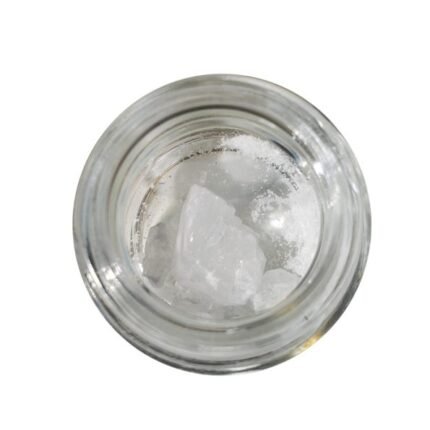
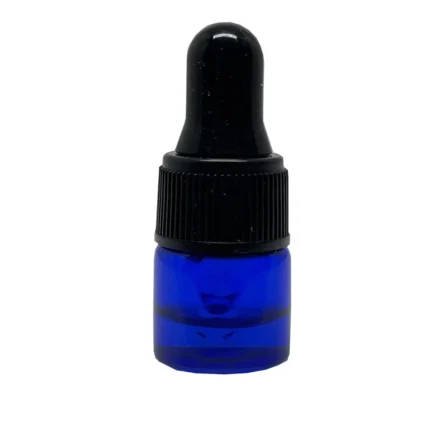
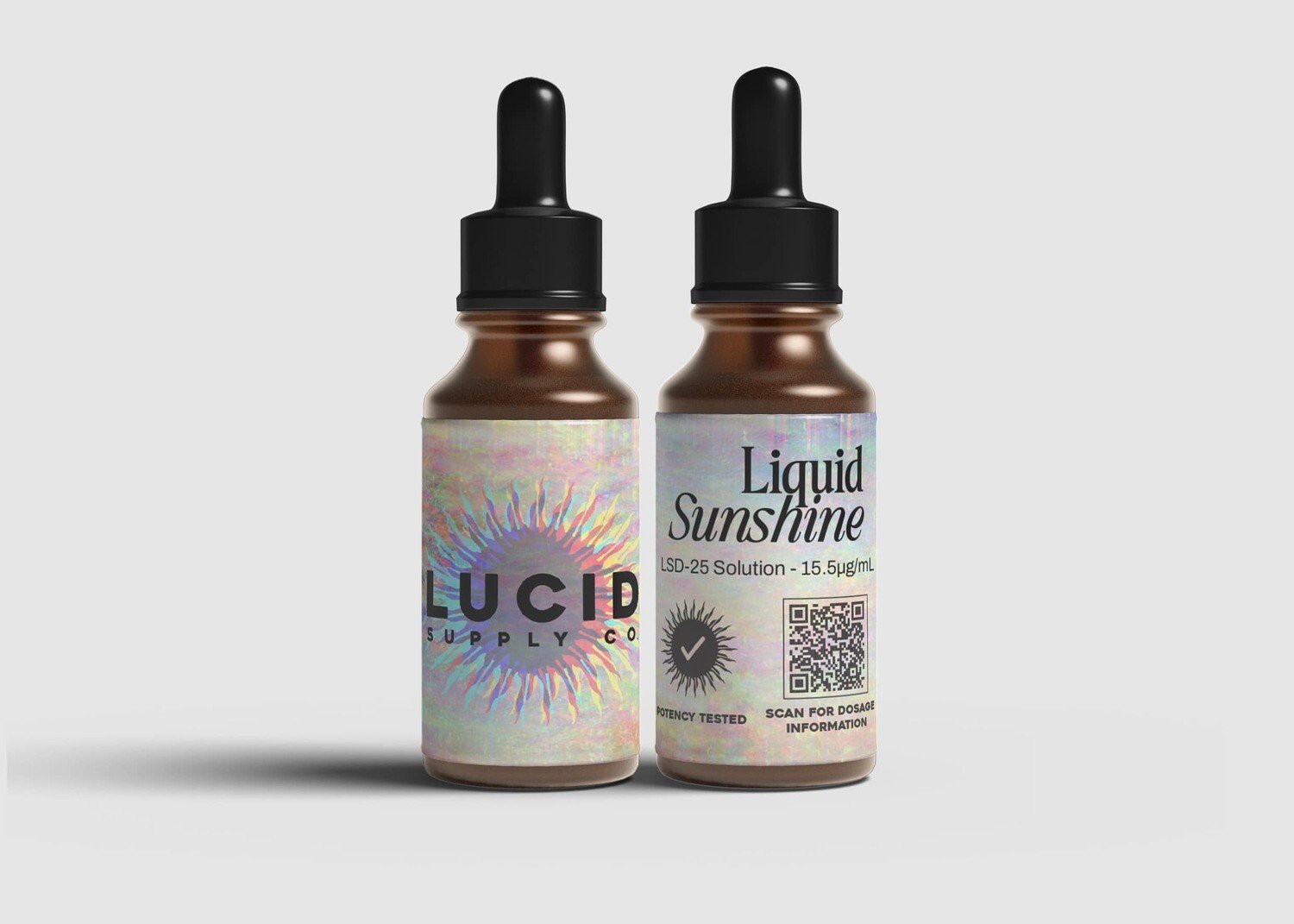
LSD 25 Liquid Solution research involving lysergic acid diethylamide continues within tightly regulated scientific environments. One studied form includes liquid solution preparations used in analytical chemistry, stability testing, and method validation studies. LSD 25 Liquid Solution.
Research institutions working with Lysergic acid diethylamide focus on purity profiling, controlled degradation analysis, and pharmacokinetic modeling under strict regulatory frameworks.
Liquid formulations provide a uniform medium for controlled measurement in laboratory settings, supporting reproducibility across analytical platforms.
Formulation Characteristics of LSD-25 Liquid Solution
Liquid formulations are studied for homogeneity, concentration stability, and solvent interactions. Researchers evaluate how solvent systems influence compound preservation and analytical consistency.
Common research focus areas include solvent compatibility, pH stability, and degradation pathways under temperature variation.
These properties support method development in high-precision analytical laboratories.
Stability and Storage Behavior
Stability assessment remains essential in controlled substance research. Liquid systems introduce different degradation risks compared with solid dosage forms.
Researchers evaluate exposure to light, temperature shifts, and oxidative conditions. Controlled storage environments help maintain analytical integrity during long-term studies.
Key stability variables include:
- Photodegradation sensitivity
- Solvent evaporation effects
- Container material interaction
- Temperature-dependent chemical shifts
Analytical Methods for Liquid Psychedelic Compounds
Analytical chemistry plays a central role in controlled substance research. Techniques such as chromatography and spectroscopy support identity confirmation and concentration analysis.
Institutions frequently reference standards from organizations such as United States Pharmacopeia and peer-reviewed methodologies indexed through National Center for Biotechnology Information.
These frameworks ensure reproducibility and analytical accuracy in regulated environments.
Comparative Research with Other Compounds
Controlled studies often compare different psychoactive compound classes to evaluate analytical behavior and pharmacological profiles.
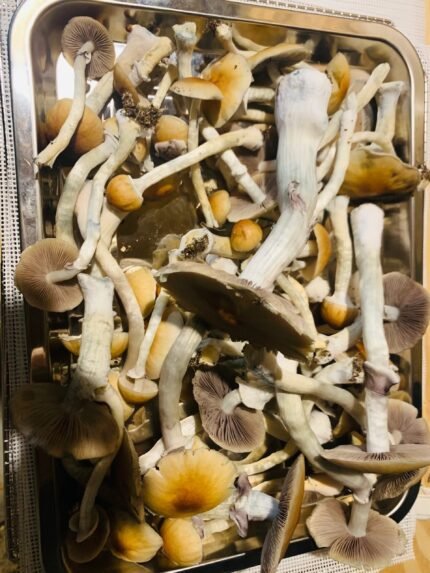
Related research materials include botanical and synthetic study compounds used in laboratory environments such as kratom powder green, kratom powder red, and capsule-based formulations such as 300mg mushroom capsules.
These comparisons help establish broader analytical frameworks across compound classes.
Regulatory Context for Controlled Substance Research
Research involving controlled substances follows strict regulatory oversight depending on jurisdiction. Laboratories maintain licensing, secure storage, and documentation protocols throughout research cycles.
Scientific publishing and methodological validation often appear through organizations such as the American Chemical Society.
Compliance ensures scientific validity and responsible research conduct.
Conclusion for Laboratory Research Applications
Liquid formulations of LSD-25 remain relevant in controlled analytical and pharmaceutical research settings. Their study supports broader understanding of stability, formulation chemistry, and analytical behavior under regulated laboratory conditions.
Research institutions continue to apply standardized methodologies to ensure reproducibility, accuracy, and compliance across experimental systems.