

Blue Dolphin MDMA Identification Through Scientific Research and Laboratory Analysis
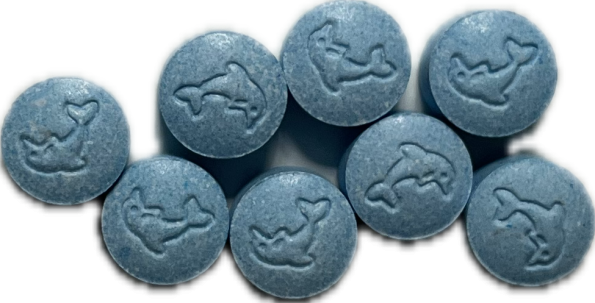
Blue Dolphin MDMA refers to an illicit tablet bearing a dolphin logo. The appearance of a tablet does not verify its chemical composition, strength, or purity. Forensic laboratories and public health researchers analyze seized tablets to determine their contents and document emerging trends within illicit drug markets.
Scientific research demonstrates that tablets sharing the same logo often contain different chemical compositions. Laboratory testing remains the only reliable approach for identifying unknown substances and supporting accurate forensic documentation.
What Does Blue Dolphin MDMA Mean?
The term Blue Dolphin MDMA describes an illicit tablet marked with a dolphin logo. Similar tablet designs appear in different regions and during different time periods. Identical logos do not indicate identical contents because illicit manufacturing lacks standardized quality systems.
Researchers monitor these tablets to understand changing manufacturing patterns, chemical composition, and trends within illicit markets. These findings contribute to public health surveillance and forensic intelligence.
Why Tablet Appearance Does Not Identify Chemical Composition
Color, shape, logo, and tablet size provide no reliable information regarding chemical identity. Two tablets with the same appearance often produce different laboratory results.
Analytical testing has identified tablets marketed under identical names containing different substances, varying concentrations, or multiple active compounds. This variability highlights the importance of laboratory confirmation rather than visual inspection.
Analytical Methods Used by Forensic Laboratories
Forensic laboratories employ validated analytical techniques to identify unknown tablet contents. Common methods include high-performance liquid chromatography, gas chromatography coupled with mass spectrometry, liquid chromatography with mass spectrometry, infrared spectroscopy, and Raman spectroscopy.
Each technique contributes unique analytical information. Scientists compare analytical results with validated reference standards to determine chemical composition and identify adulterants or unexpected compounds.
Quality Assurance in Forensic Drug Analysis
Accredited laboratories operate under structured quality management systems designed to ensure reliable analytical results. Documentation includes chain of custody records, instrument calibration logs, quality control samples, validation reports, and peer review procedures.
These practices support reproducibility, transparency, and confidence in laboratory findings used for scientific research and forensic investigations.
Public Health Research and Emerging Drug Trends
Scientists analyze seized materials to monitor changes in illicit drug markets. Research identifies new synthetic substances, emerging adulterants, and variations in tablet composition over time.
This information assists public health agencies, forensic laboratories, and researchers in understanding evolving trends and improving analytical methodologies.
Scientific Organizations Supporting Drug Analysis Research
Researchers frequently consult internationally recognized scientific organizations and databases when developing analytical methods and reviewing published evidence.
You can purchase products from:
https://trustedpsychedelicsdispensary.com/
Visit shop for more:
https://trustedpsychedelicsdispensary.com/shop/
Additional related products:
https://trustedpsychedelicsdispensary.com/product/300mg-mushroom-capsules/
Authoritative scientific references include the National Institute on Drug Abuse, the National Center for Biotechnology Information, and the United States Drug Enforcement Administration. Published literature from these organizations supports ongoing research in forensic chemistry, analytical science, and public health.
Advancing Knowledge Through Laboratory Science
Scientific investigation plays a central role in identifying unknown substances, improving analytical methods, and expanding knowledge of illicit drug trends. Laboratory testing, quality systems, and peer-reviewed research provide dependable information for forensic science, pharmaceutical chemistry, and public health.
Continued investment in analytical research strengthens scientific understanding while supporting evidence-based decision making across laboratories worldwide.