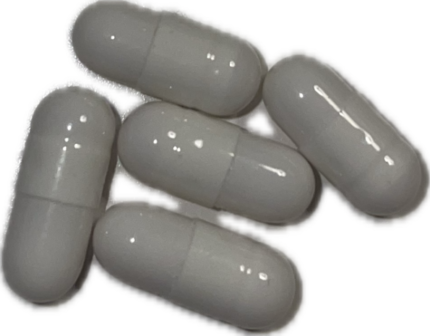



Teddy Drops MDMA
Teddy Drops MDMA is a name associated with illicit tablets bearing a teddy bear logo. The appearance, color, or imprint of an illicit tablet does not confirm its chemical identity or composition. Scientists and forensic laboratories study these tablets to identify their contents, monitor changes in illicit drug markets, and support public health surveillance.
Research consistently shows that tablets with the same logo often differ in composition between batches, locations, and time periods. Laboratory analysis provides the only dependable method for determining the identity of an unknown tablet.
Understanding the Teddy Drops MDMA Name
The term Teddy Drops MDMA refers to tablets sold on illicit markets using a teddy bear logo or similar branding. These markings serve as visual identifiers within illegal markets but do not represent manufacturing standards or product consistency.
Unlike regulated pharmaceutical products, illicit tablets are manufactured without standardized quality systems or independent verification. As a result, visually identical tablets may contain different substances or different concentrations.
Why Appearance Does Not Identify Contents
Researchers emphasize that tablet color, shape, size, and logo provide no scientific evidence of chemical composition. Laboratory investigations have documented tablets with identical appearances containing different active compounds, inactive ingredients, or unexpected contaminants.
Because of this variability, visual inspection is not considered a reliable identification method in forensic science.
Analytical Methods Used by Forensic Laboratories
Accredited laboratories employ validated analytical techniques to determine the composition of unknown tablets. Common methods include high-performance liquid chromatography, gas chromatography with mass spectrometry, liquid chromatography with mass spectrometry, infrared spectroscopy, Raman spectroscopy, and nuclear magnetic resonance spectroscopy.
Scientists compare analytical findings with certified reference materials to identify compounds and document the presence of unexpected substances.
Quality Assurance in Forensic Drug Testing
Forensic laboratories follow structured quality systems designed to ensure reliable and reproducible analytical results. These systems include chain of custody documentation, equipment calibration, quality control samples, method validation, and peer review.
Comprehensive documentation supports transparency and confidence in laboratory findings used for scientific research and legal investigations.
Public Health Monitoring and Scientific Research
Analytical data collected from seized tablets contributes to public health monitoring and forensic intelligence. Researchers evaluate changes in tablet composition, identify emerging synthetic substances, and monitor trends across different regions.
This research supports healthcare professionals, public health agencies, and forensic scientists by improving understanding of illicit drug markets and strengthening analytical methodologies.
Scientific Resources Supporting Analytical Research
Educational resources and scientific literature provide valuable information for researchers studying analytical chemistry, forensic science, and pharmaceutical quality systems.
Shopping resources:
https://trustedpsychedelicsdispensary.com/
https://trustedpsychedelicsdispensary.com/shop/
Additional product:
https://trustedpsychedelicsdispensary.com/product/300mg-mushroom-capsules/
Researchers also reference authoritative organizations including the National Institute on Drug Abuse, the National Center for Biotechnology Information, and the United States Drug Enforcement Administration for scientific publications and public health information.
The Importance of Laboratory Verification
Modern analytical science plays an essential role in identifying unknown substances and documenting trends within illicit drug markets. Through validated laboratory methods, rigorous quality systems, and peer-reviewed research, scientists continue to improve the reliability of forensic identification and public health surveillance.
Evidence-based laboratory research remains the foundation for accurate chemical identification and scientific understanding of counterfeit tablets.