

MDMA Capsule Guide: Science, Effects, and Harm Reduction
The study of synthetic compounds requires rigorous attention to scientific data and health protocols. An MDMA capsule represents one of the most frequently researched formats of this specific phenethylamine substance. Often distributed under names like Molly or Ecstasy, this compound attracts significant interest from researchers, policymakers, and public health advocates. Understanding the exact nature of this substance is vital for analyzing human health outcomes and legal frameworks.
Trusted Psychedelics Dispensary aims to provide objective, educational analyses of these formulations. This article presents a thorough breakdown of the chemistry, biological mechanisms, and harm reduction techniques associated with the capsule format.
Understanding the Composition of an MDMA Capsule
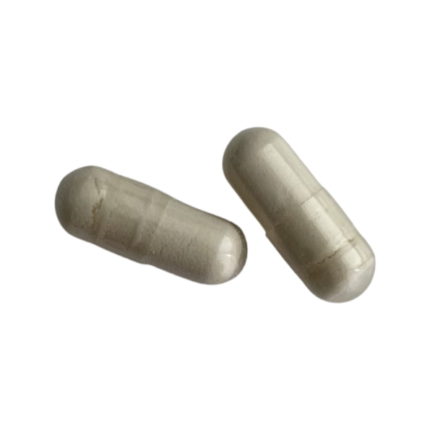
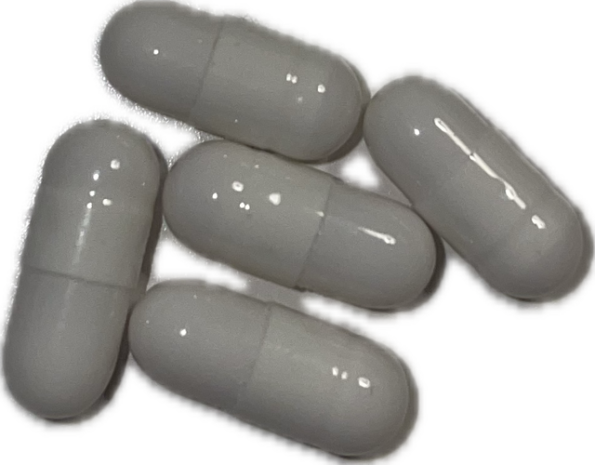
An MDMA capsule typically consists of a two-piece gelatin or vegetarian shell filled with a specific quantity of crystalline powder. The abbreviation stands for 3,4-methylenedioxymethamphetamine, a synthetic molecule first created in the early twentieth century. Unlike pressed tablets, which require binding agents to maintain a solid shape, a capsule format theoretically allows the substance to remain in a loose, crystalline state.
However, forensic testing globally indicates massive variations in purity levels. Many street samples contain significant amounts of adulterants. Common cutting agents include caffeine, methamphetamine, synthetic cathinones, or ephedrine. In severe scenarios, toxic substances find their way into these preparations. This reality underscores the critical importance of chemical analysis before any scientific study or handling.
How an MDMA Capsule Interacts With the Human Brain
When a biological system ingests this molecule, the compound targets the central nervous system rapidly. The primary mechanism involves the massive release of three distinct neurotransmitters: serotonin, dopamine, and norepinephrine.
The substance binds directly to presynaptic transporters, reversing the normal flow of these chemicals. Serotonin receives the largest impact, flooding the synaptic cleft. This chemical surge alters mood regulation, social perception, and empathy levels. Dopamine increases energy levels and reinforces behavior patterns, while norepinephrine accelerates physical responses.
Because the human body processes the capsule contents via the digestive tract, the onset of these neurological shifts usually occurs within thirty to sixty minutes. The entire processing cycle places distinct metabolic demands on the liver and kidneys.
Expected Physical and Psychological Experiences
The acute phase of presence in the body involves a complex mixture of desired psychological states and significant physical stress. Every individual reacts differently based on body mass, genetic metabolism, and pre-existing health conditions.
Psychological Manifestations
Users frequently describe an intense sense of emotional openness and diminished fear responses. Social anxiety tends to decrease, replaced by a strong desire to communicate with surrounding individuals. Senses become highly heightened, making sounds and tactile sensations feel significantly more distinct.
Physical Manifestations
The physical toll includes rapid elevation of heart rate and blood pressure. Involuntary jaw clenching and teeth grinding are classic indicators of presence in the system. Muscle tension, unexpected chills, and heavy sweating occur regularly. The compound suppresses appetite and alters fluid retention mechanisms throughout the body.
Suggested ALT Text: A detailed medical chart listing the physiological responses of the cardiovascular system to stimulants.
Essential Safety Testing and Dosage Protocols
Operating with complete precision remains the only strategy to minimize severe health risks. Because illegal markets lack quality control, strict protocols must guide any educational observation.
| Test Type | Target Substance | Expected Reaction |
| Marquis Reagent | MDMA Presence | Purple to Deep Black |
| Simon Reagent | Secondary Amines | Bright Blue |
| Fentanyl Strip | Synthetic Opioids | Clear Negative Line |
Mass variation means a single capsule might contain anywhere from fifty milligrams to over two hundred milligrams of active material. High concentrations pose immediate threats to the cardiovascular system. Utilizing multiple chemical reagents allows researchers to confirm the presence of the desired molecule while identifying hazardous lookalikes.
Suggested ALT Text: A laboratory technician wearing protective gloves handling analytical equipment.
Thermoregulation and Hydration Strategies During Use
The most severe acute danger associated with this compound is a breakdown in body temperature regulation. The substance disrupts the hypothalamus, preventing the brain from correctly managing heat dissipation.
When combined with heavy physical exertion in warm environments, this physiological blockage leads to dangerous heat stroke. Severe cases cause organ failure or death.
To combat this vulnerability, individuals must implement strict environmental management. Taking regular resting periods in cool, well-ventilated spaces is mandatory. Hydration requires extreme balance. Drinking too little water leads to dehydration, but drinking excessive amounts causes hyponatremia. Hyponatremia is a critical condition where sodium levels in the blood drop too low, causing brain swelling. The standard recommendation is a single cup of water per hour during low activity, or two cups per hour during physical exertion.
Suggested ALT Text: A clean sports bottle filled with fresh water sitting next to an electronic thermometer.
Legal Status and Academic Medical Research
The global legal framework places this substance in highly restrictive categories. In the United States, the Drug Enforcement Administration maintains a Schedule I classification. This designation means authorities view the compound as lacking accepted medical applications while carrying a significant risk of dependency.
Despite these legal barriers, academic institutions continue to investigate the molecule. Controlled clinical trials explore the efficacy of the substance when paired with professional psychotherapy. Researchers focus heavily on treatment-resistant post-traumatic stress disorder and severe anxiety conditions.
The data suggests the temporary reduction in fear responses allows patients to process deep trauma without becoming overwhelmed. These clinical settings utilize hyper-pure, accurately measured doses under strict medical supervision, which differs completely from unsupervised recreational environments.