The Complete Guide to Caramel Chocolate Bars: Formulations, Texture Profiles, and Confectionery Science
The engineering of modern confectionery delivery systems has fundamentally accelerated research within the field of advanced lipid-sucrose isolation. While traditional sugar cooking requires manual temperature monitoring and precise open-flame handling, the integration of automated cooling tunnels and standardized fluid enrobing systems has introduced a highly streamlined format. A prominent tool generating extensive interest across industrial food laboratories and premium flavor study groups is the caramel chocolate bar. By balancing a refined dairy-fat emulsion directly against a tempered cocoa butter matrix, this configuration delivers distinct textural layers with highly predictable mechanical consistency. Understanding the core thermodynamics, moisture migration parameters, and critical storage variables of this multi-phase system is mandatory for any chocolatier.
At the Premium Confectionery Laboratory, we prioritize sharing verified, data-driven observations to safeguard your production line. Securing uniform, pure raw ingredients remains mandatory to ensure structural integrity and tracking precision during your sensory testing sessions or batch development protocols. Let us examine the manufacturing dynamics, flavor release profiles, and critical preservation baselines that govern premium chocolate research.
Comprehensive Caramel Chocolate Bar Review
Conducting a professional caramel chocolate bar review requires checking the formulation and crystallographic metrics that separate controlled gourmet production from poorly executed, destabilized alternatives. A premium confection features a fully tempered outer shell calibrated to a specific crystal matrix (typically Beta V polymorphs) paired with a high-viscosity caramel core. This specific thermal calibration prevents the delicate cocoa butter fats from separating out, ensuring a crisp snap rather than dull, chalky fat bloom.
The primary advantage of utilizing a dedicated gourmet chocolate caramel blend within a sealed bar format is the precise control over water activity levels. By locking a specific moisture-content fluid directly within a hydrophobic fat barrier, the delivery system offers highly uniform stability. However, because this market experiences issues with moisture migration over time, independent moisture testing is required to verify that the formula is free from sugar crystallization, syneresis (weeping), or unauthorized artificial stabilizers.
Understanding Caramel Chocolate Bar Effects
Evaluating the expected caramel chocolate bar effects demands an understanding of how lipid-emulsified sucrose structures cross the oral cavity to initiate neurosensory and metabolic responses. The presence of milk fats and volatile cocoa compounds triggers immediate olfactory and gustatory pathways, causing flavor compounds to reach cerebral perception centers almost instantly.
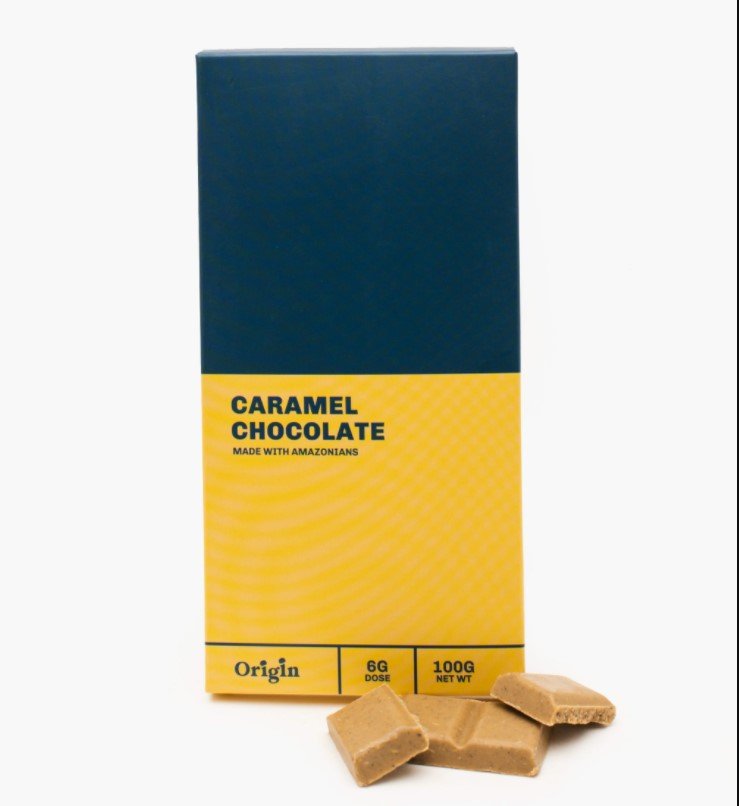
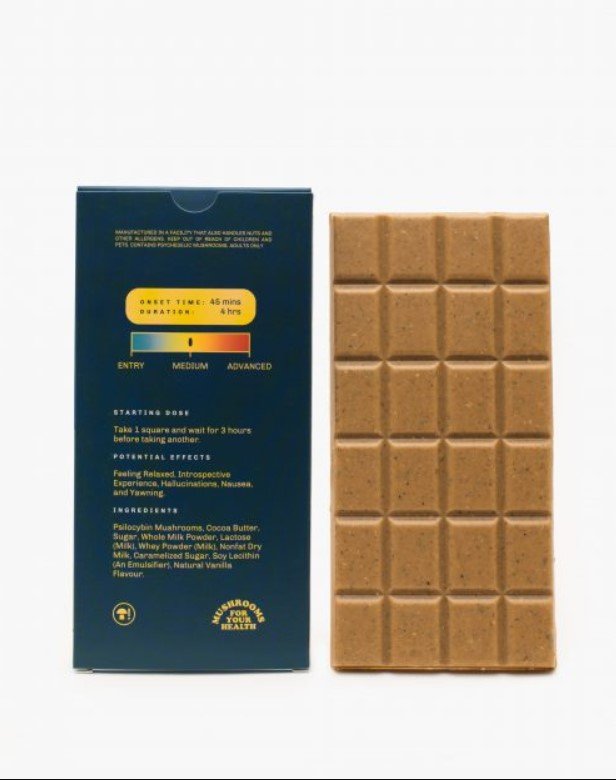
Gourmet Caramel Chocolate Bar Architecture. Source: Erren’s Kitchen
Alternative Formulations and Structural Ratios
Determining what a specific confection contains requires validating the precise molecular structure of the filling, as different sugar-cooking temperatures alter human sensory pathways. While basic candy coatings rely entirely on simple corn syrup matrices to support industrial shelf-life, active premium formulations focus on deeper manipulations of viscosity and rich dairy caramelization.
For product development teams comparing diverse confectionery platforms, assessing the difference between soft fluid caramel and chewy nougat variants remains an important benchmark. If your broader academic goals involve examining variable delivery options with alternative sensory curves, our premium dark chocolate options offer highly relevant comparative profiles. For researchers tracking alternative ingredient interaction profiles, exploring our organic inclusion selection provides deep insight into how natural roasted nuts or freeze-dried fruits modify the rheology of the mixture.
Evaluating the Caramel Chocolate Bar Price
Analyzing the current market for a realistic caramel chocolate bar price reveals a higher initial cost structure compared to raw bulk sugar or basic compound coatings. This pricing variance reflects the medical-grade tempering machinery, precise multi-stage cooling steps, and complex emulsification techniques required to prevent the caramel from leaking or blooming during transit and storage.
Investing in verified, cleanly processed confections protects your shelf-life metrics from structural failures, fat blooming, or under-developed flavor profiles that fail to trigger full consumer satisfaction responses. To inspect current market availability, hardware specifications, and verified testing details, browse our laboratory catalog directly. Our platform provides complete pricing transparency alongside certified quality reports for every batch. For a premier example of a balanced, single-origin alternative that combines active cocoa percentages with supportive functional notes, you can look over our dark sea-salt formulation.
Fractional Grid Scaling and Temperature Controls
Managing your production protocols with strict temperature-based tracking is an absolute safety baseline when handling high-potency sugar-fat setups. Because the concentration of the molten fluid is highly sensitive to heat fluctuations, guessing your processing windows without calibration introduces dangerous variables into your finished product. Always utilize a calibrated digital probe to monitor setting zones.
Sugar Caramelization: 320°F to 340°F - Develops complex Maillard reaction compounds and rich amber color.
Chocolate Melting Phase: 113°F to 122°F - Completely unbinds existing fat crystals to prepare for uniform cooling.
Tempering Agitation Drop: 82°F to 84°F - Initiates seed crystal formation necessary for structural snap.
Final Enrobing Window: 88°F to 90°F - Re-warms mass slightly to achieve pourable fluidity without destroying stable crystals.
Keeping your finished confections stored horizontally in a temperature-controlled space between 60°F and 65°F prevents bloom from occurring, protecting the delicate crystalline bonds from rapid aesthetic degradation.
Caramel Chocolate Bar Interactions and Matrix Contraindications
A fundamental element of quality assurance involves reviewing potential complications between active ingredient ingredients and storage packaging materials. Evaluating documented caramel chocolate bar interactions establishes safe operating boundaries before beginning any large-scale packaging run.
| Component Category | Interaction Profile | Primary Physical Risk |
| High Ambient Humidity | Moderate to High | Accelerates moisture migration, leading to surface sugar bloom and sticky textures |
| Low Temperature Storage | High / Dangerous | Induces thermal shock, causing micro-fractures in the chocolate shell and caramel leaks |
| Unlined Paper Wrappers | High / Dangerous | Creates grease staining, flavor loss, and rapid oxidation of delicate dairy fats |
Never combine hot liquid caramel layers directly with untempered chocolate masses or high-moisture fruit purees without proper pectin barriers. If your current studies require exploring different flavor compounds that utilize independent stabilizer pathways, you can look over our specialized vegan emulsifier listings. Alternatively, if you are looking to buy premium chocolates or explore variable inclusion setups, our high-cocoa baking options provide excellent avenues to expand your organizational data.
Advancing Your Culinary Research Safely
Securing your manufacturing materials through an accountable, transparent supplier ensures your sensory observations remain grounded in accurate science. Prioritizing pure ingredients, exact weight measurements, and a secure climate-controlled setting allows you to study the immense power of this unique culinary system safely. Explore our verified listings today to advance your confectionery work with complete peace of mind.