What Is Changa DMT? A Complete Guide to Its Science, Herbs, and Effects
The study of ethnobotanical mixtures reveals a sophisticated understanding of plant chemistry. Among modern psychedelic preparations, Changa DMT stands out as a unique formulation that blends traditional knowledge with modern extraction techniques. Often described by researchers as an alternative to pure crystalline structures, this botanical blend relies on specific chemical synergies to alter the duration and character of the experience.
Trusted Psychedelics Dispensary aims to provide objective, fact-based educational resources to help researchers navigate these advanced concepts. This comprehensive guide outlines the composition, history, neurological mechanisms, and crucial health protocols surrounding this mixture.
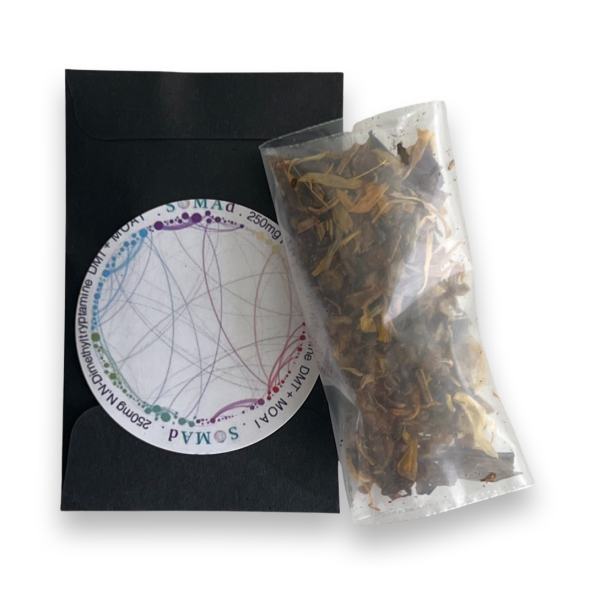
Suggested ALT Text: A mixture of dried aromatic herbs and botanicals laid out neatly on a clean laboratory tray for analysis.
The Botanical Chemistry and Origin of Changa DMT
To comprehend Changa DMT, you must examine the specific interaction of its two primary chemical components. The blend consists of an active tryptamine molecule infused into a selection of therapeutic herbs, at least one of which must contain a monoamine oxidase inhibitor, or MAOI.
The history of this preparation is relatively recent. An Australian researcher named Julian Palmer developed the formulation in the early 2000s. Palmer sought a way to ease the rapid onset typical of smoking pure DMT freebase. By dissolving extracted crystals into specific plants, he created a standardized smoking mixture. The term smokable ayahuasca became associated with the blend because it relies on the exact same pharmacological principle as the famous South American ceremonial brew.
Suggested ALT Text: A vintage botanical illustration detailing the leaves and vines of psychotropic forest plants.
The Role of MAOIs and Harmala Alkaloids
The human body naturally produces monoamine oxidase, an enzyme that breaks down tryptamines rapidly. When an individual smokes pure crystal extracts, the liver and lungs metabolize the substance within minutes. This swift breakdown results in a highly intense experience that subsides quickly.
Strong Word: Synergy
Emphasized Word: Inhibition
The inclusion of plants containing harmala alkaloids alters this metabolic pathway completely. These naturally occurring beta carbolines block the monoamine oxidase enzymes temporarily. This enzymatic block slows the degradation process, allowing the active molecule to interact with the central nervous system over an extended timeline.
| Component | Botanical Source Example | Pharmacological Role |
| N,N-DMT | Mimosa tenuiflora bark | Primary Serotonergic Agonist |
| Harmala Alkaloids | Banisteriopsis caapi vine | Monoamine Oxidase Inhibitor |
| Supporting Herbs | Mullein or Blue Lotus | Smoking Base and Aromatics |
Suggested ALT Text: A high-precision digital scale measuring dry plant materials inside a clean science facility.
Analyzing the Unique Changa Effects on Perception
The presence of the inhibitor plants causes the sensory profile of this mixture to diverge sharply from other delivery methods. The onset feels gradual rather than instantaneous, allowing the individual to acclimate to the shifting state of consciousness over a period of one to two minutes.
Cognitive and Emotional Expansion
Users frequently report a deeply reflective state of mind characterized by profound emotional processing and internal clarity. The rapid acceleration of thought patterns common with pure extracts is replaced by a more grounded, steady progression. Introspective insights feel easier to integrate because the sense of personal identity remains more intact.
Visual and Spatial Alterations
The visual alterations produced by a Changa blend tend to feature highly structured geometric patterns, rich color shifts, and deep transformations of spatial awareness. These visual elements linger consistently throughout the experience, which typically spans fifteen to thirty minutes, roughly twice the length of an unpotentiated session.
Suggested ALT Text: An abstract architectural rendering showcasing intricate repeating geometric shapes and clean symmetry.
Essential Screening and Interaction Safety Standards
Operating with absolute safety requires a thorough understanding of contraindications. Because this preparation contains an active metabolic inhibitor, combining it with specific pharmaceutical drugs or over the counter medications introduces severe medical vulnerabilities.
Prescription Drug Contraindications
Combining any formulation containing an MAOI with Selective Serotonin Reuptake Inhibitors, or SSRIs, represents an immediate health hazard. This combination can trigger serotonin syndrome, a life threatening condition characterized by muscle rigidity, tremors, rapid heart rate, and severe confusion. Medications for blood pressure and certain asthma treatments also interact poorly with these alkaloids.
Physical Health Screening
Individuals with underlying cardiovascular conditions must exercise extreme caution. The compound causes a transient but noticeable increase in blood pressure and heart rate. A thorough health screening and a verified medical history are essential baseline requirements before any research or handling occurs.
Suggested ALT Text: A professional medical chart highlighting drug interaction warnings and safety checkmark protocols.
Environmental Management and Harm Reduction
The setting in which an ethnobotanical substance is handled dictates the psychological safety of the session. Because the compound induces profound detachment from physical surroundings, strict environmental control is mandatory.
The physical space should remain quiet, comfortable, and completely free of unexpected external interruptions. Performing these observations in a seated or reclined position prevents accidental falls or physical injury during the peak phases of the experience. Having a sober, informed individual present to monitor the environment ensures that physical safety remains uncompromised throughout the entire process.
Suggested ALT Text: A minimalist room with soft lighting and clean seating designed for relaxation and quiet study.
The Present Era of Research and Legal Frameworks
The regulatory status of Changa DMT mirrors that of its constituent parts. Because pure tryptamine extracts are classified as Schedule I substances in major international jurisdictions, the manufacturing, possession, and distribution of these infused herbal blends carry strict legal penalties.
However, global academic interest in these molecules continues to expand. Contemporary clinical studies explore how sustained tryptamine experiences impact neuroplasticity and the default mode network in the human brain. Psychiatric researchers look closely at how these compounds help dismantle rigid thought loops associated with major depression and addiction. While institutional research utilizes standardized synthetic delivery systems rather than herbal smoking mixtures, the ongoing validation of these molecules highlights the importance of keeping the community informed with objective, data driven education.